

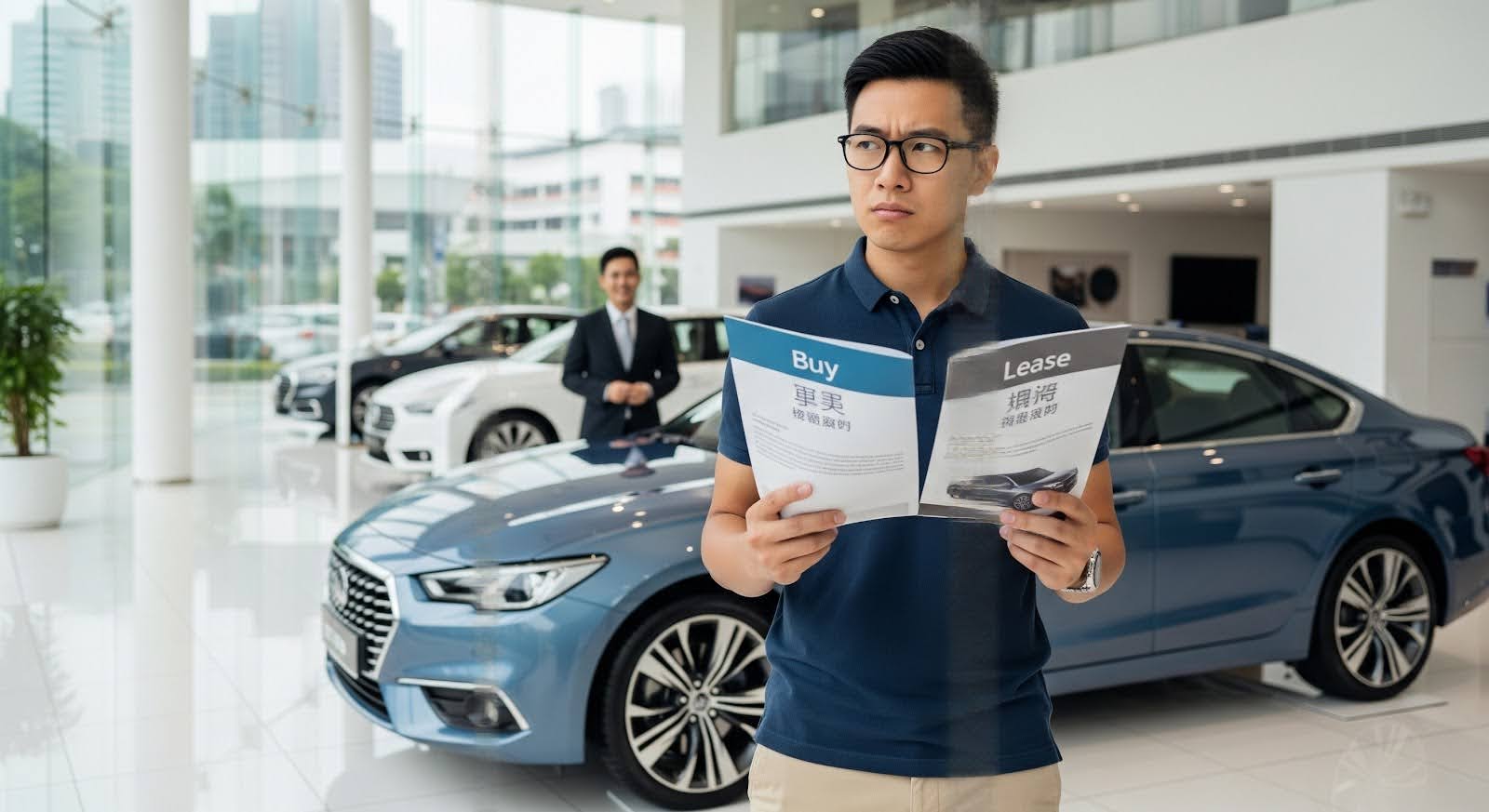
City living involves fast commutes, evolving routines and limited parking options, so choosing the right mobility solution becomes an important part of daily life. Many drivers now see car leasing in Singapore as a flexible, lower-commitment alternative to buying a vehicle because it offers predictable monthly costs and reduced administrative responsibilities. At the same time, traditional ownership still appeals to those who want long-term familiarity and full control. Understanding how each option aligns with urban habits helps drivers choose confidently.
Leasing Costs Versus Ownership Expenses
Cost is often the first factor drivers consider when choosing between leasing and buying, especially with rising COE premiums and higher vehicle prices. The COE, or Certificate of Entitlement, is the permit required to own and drive a car in Singapore for 10 years, and it forms a major portion of the total ownership cost. According to guidance from Singapore’s Land Transport Authority (LTA), COE prices fluctuate based on demand and quota availability, which can significantly affect total vehicle expenditure.
Buying a car requires a significant upfront commitment. Drivers must account for the COE, a large down payment, loan interest and long-term depreciation. As the car ages, its value decreases regardless of how often it is used, meaning owners absorb the full impact of depreciation even if their driving habits change. These combined costs make ownership feel less flexible, particularly for drivers who prefer stable or predictable budgets.
Leasing structures cost differently. Monthly payments typically cover servicing, wear and tear items and essential repairs, creating a more consistent expense profile. Because the leasing company manages depreciation and resale concerns, drivers avoid unexpected drops in value or market fluctuations. This cost predictability is often cited by automotive finance experts as a key reason urban drivers turn to leasing, especially in high-cost markets like Singapore.
This contrast in cost structure forms the foundation for how leasing and buying influence cash flow, commitment levels and overall convenience.
How Each Option Affects Cash Flow and Commitment
Urban lifestyles change quickly, so flexibility can be just as important as cost. Many city drivers consider how each option affects short-term financial comfort and long-term freedom.
Leasing requires far less upfront payment than buying. Without a heavy down payment or multi-year loan, drivers retain more liquidity, which can be helpful for travel, savings goals or unexpected expenses. Leasing contracts also tend to be shorter than loan durations, allowing people to switch vehicles more frequently as their needs shift. This shorter commitment period is particularly attractive to expatriates and contract-based professionals.
Buying suits drivers who want stability and consistency. Once they commit to a loan, their vehicle becomes part of their long-term plans. Ownership works well for those who are comfortable with multi-year commitments and who expect minimal changes in their driving patterns.
These differences in commitment levels become even more noticeable when maintenance responsibilities and downtime come into the picture.
How Maintenance Responsibilities Influence Your Experience
Maintenance plays a significant role in how convenient owning or leasing feels in daily life. The time and cost involved can shape a driver’s overall experience. For time-constrained urban professionals, this hands-off approach can significantly reduce stress.
Leasing keeps maintenance simple because servicing, repairs and replacement parts are usually included in the package. Drivers do not need to compare workshop prices, arrange multiple appointments or handle unplanned repair costs. This reduces downtime and supports a smoother, more predictable driving experience. People with demanding schedules often see this convenience as a major advantage.
Ownership gives drivers full autonomy over how and where their cars are maintained. Some appreciate the freedom to choose workshops, but others may find the scheduling and cost management inconvenient. Unexpected issues can also disrupt routines and affect monthly budgets. These realities highlight how maintenance preferences influence whether leasing or buying is the better match.
How Leasing and Buying Fit Different Urban Lifestyles
Singapore’s compact environment means driving habits can shift quickly. New job locations, hybrid work schedules and residential moves all influence how convenient a vehicle feels day to day.
Leasing offers adaptability for these evolving routines. Drivers can adjust contract durations, choose vehicle types that suit new commutes or switch to models that reduce fuel usage if their travel patterns change. This flexibility aligns well with Singapore’s dynamic employment and housing landscape.
Buying aligns more effectively with drivers who have stable and predictable mobility needs. Families with consistent school and work routes often appreciate owning a vehicle long-term. Familiarity with the same car can also make longer journeys more comfortable.
These lifestyle considerations make it clearer which type of driver benefits the most from leasing or buying.
Who Benefits Most from Leasing and Who Benefits Most from Buying
Drivers who prefer leasing typically include young professionals, expatriates, flexible workers and those who do not want long-term financial commitments. Leasing also suits people who value predictable monthly expenses or who enjoy trying different vehicle models from time to time.
Buying tends to benefit long-term residents, larger families and individuals who use their vehicles heavily and consistently. For those who expect to keep a car for many years, ownership can offer stability and comfort that leasing may not match.Readers who want a budget-friendly path to ownership can consider exploring quality pre-owned cars in Singapore, which provide good value without the high cost of new vehicles. Understanding these common profiles helps drivers feel more confident when deciding between leasing and buying.
Quick Comparison: Leasing vs Buying for City Living
Best suited for leasing:
- Young professionals
- Expatriates
- Short- to mid-term residents
- Drivers who prioritise flexibility and predictable costs
Best suited for buying:
- Families with stable routines
- Long-term Singapore residents
- High-mileage drivers
- Those seeking long-term familiarity
Find Your Perfect City-Driving Match
The choice between leasing and buying depends on how well each option supports everyday routines, financial comfort and long-term driving habits. Drivers who value flexibility may prefer car leasing in Singapore, while those who prioritise stability often lean toward ownership. Each approach can be beneficial when matched with the right expectations and lifestyle.
Frequently Asked Questions (FAQ)
Leasing can be more cost-predictable in the short to medium term, as it avoids large upfront COE payments and depreciation risk. Buying may be more economical for long-term ownership.
Most leasing packages include road tax, servicing, and wear-and-tear maintenance, though inclusions vary by provider and contract.
Yes. Leasing offers greater flexibility to change vehicles at the end of a contract, which suits drivers whose needs change frequently.
Conclusion: Not Sure Which Option Suits You Best?
While leasing offers adaptability and predictable costs, ownership provides long-term familiarity and control. If you’re unsure which option aligns better with your needs, Octagon Motors Group, our car leasing company in Singapore, can help. Our team will compare both leasing and buying options objectively and guide you towards the most suitable solution for your driving habits and budget.
Get in touch with Octagon Motors Group today for personalised advice and make your city driving experience work smarter for you.
